 (850) 313-2847
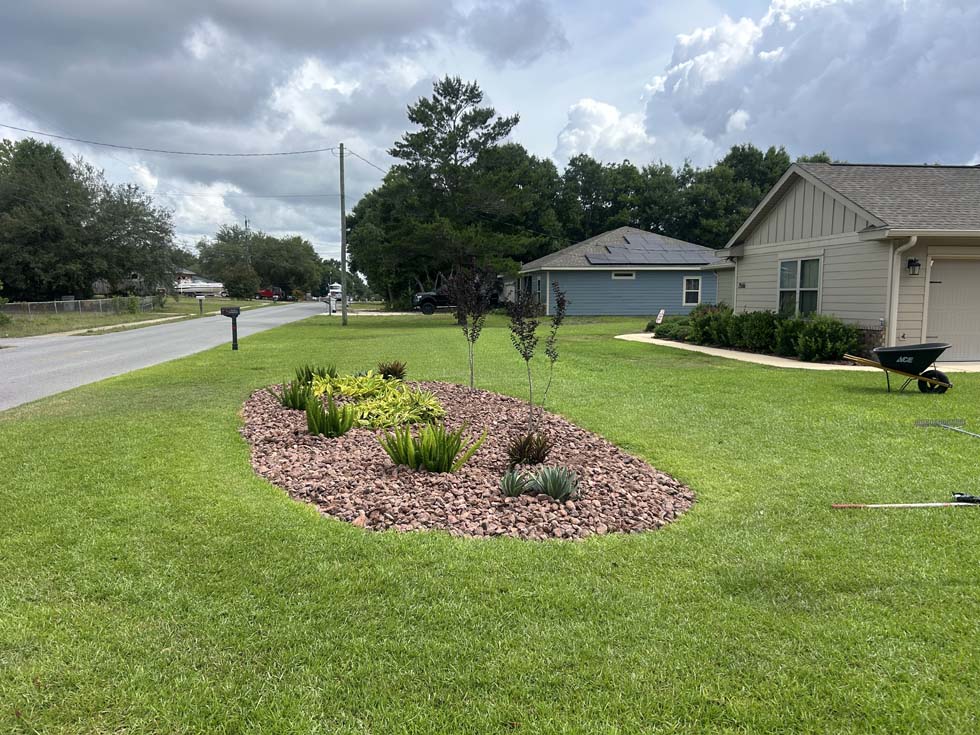
What You Need To Know About Sod Installation
Overview
Sod is pre-grown grass that comes in rolls, ready to be laid out over prepared soil for an instant lawn. Many property owners wonder if their existing lawn can be salvaged, or if their only option is to start over with sod. This blog gives you clear direction on the uses and benefits of sod in any context.
The recommendations and insights Bell’s Lawncare, LLC shares below are based on years of experience. We cover everything from timelines and common problems to first mowing tips and aftercare.
Highlights
Overview
With sod installation, the benefits are clear: You get a uniform lawn without the long wait or uncertainty of growing grass from seed. However, is sod right for your yard and the problems you’re dealing with?
Understanding the applications, including in-depth examples of when it works best, can help you make that call. It gives you the tools you need to explain to a professional what you’re looking to achieve and what you need to do when the installation is complete to ensure long-term success.
What Is Sod and How Does It Work?
Sod creates a finished lawn the moment it touches the soil. However, that instant transformation comes from a process that begins long before delivery.
Sod is cultivated on specialized farms where grass is grown to maturity under carefully managed conditions. When it reaches the right density and root depth, it’s cut into rolls or slabs with the soil and roots intact. These pieces are then transported and laid like a natural carpet over prepped ground.
Once installed, the sod’s roots begin to connect with the soil beneath it. With proper watering and care, this root system anchors the grass in place, allowing it to blend with the landscape. The success of sod lies in this transition, with professional oversight of critical steps like grading and early maintenance.
Types of Sod for Residential Lawns
Not all sod is grown the same way, and not every type will thrive in every yard. Sun exposure, soil conditions, and how the space is used all play a role in choosing the right variety. The best sod for one property may struggle just a few blocks away. Knowing the differences helps set realistic expectations for performance and ensures your lawn can adapt to its environment without constant correction.
Popular sod grass types include:
- Bermudagrass: Heat-tolerant and durable, it’s often used in southern regions.
- Fescue: Versatile and shade-tolerant, it’s suitable for mixed light conditions.
- Zoysiagrass: Dense and slow-growing, it’s well-suited to high-traffic areas.
- St. Augustine: It thrives in warm, humid climates with moderate shade.
- Centipedegrass: Low-maintenance and slow-growing, it’s common in acidic soils.
Sod vs Grass Seed
There are important differences in how sod and seed develop. Sod arrives fully formed, which means your role is to help it adjust. It needs firm soil contact and careful early maintenance so the roots can knit into place. Seed, on the other hand, begins as a raw material. It has to push through the soil and build density over time, often in unpredictable or suboptimal conditions.
Aside from how they grow, each requires a different thought process. Sod calls for detailed preparation before it’s even unrolled, while seed relies more on sustained effort after the fact. Sod tends to be uniform by design, while seed can be tailored to suit mixed light or uneven terrain. One gives you control over the front end, while the other requires patience on the back end. Both depend on consistent care, but they challenge it in different ways.
How To Tell if Your Lawn Needs Sod
There are times when patching and fertilizing just won’t be enough. Certain conditions make a stronger case for starting fresh with sod.
One clear sign is widespread thinning with no sign of recovery. If large areas stay bare despite seeding, watering, and seasonal care, the soil beneath may be too compacted or depleted to support healthy growth. In these cases, sod can reset the surface.
Here are a few other key indications that sod is the best choice:
- Heavy weed growth
- Severe erosion or washout from rain
- Uneven color and texture
- Poor drainage that leaves areas soggy
- Long-term neglect
How Does Sod Solve Lawn Drainage Issues?
There are plenty of lawn drainage issues for which sod can be the solution or at least part of it. Poor drainage shows up in different ways but almost always involves standing water after rain and a spongy ground. These problems often stem from compacted soil and low spots.
Sod helps by reintroducing structure to the surface and encouraging better water movement from the start. Its dense root mat holds soil in place, slowing erosion and giving moisture somewhere to go instead of pooling. When installed over loosened or regraded soil, it can help reshape how water travels across the lawn, guiding it away from problem areas and into the ground where it belongs.
How Much Does Sod Installation Cost?
If cost were the only factor that mattered, seed would get chosen a lot more often. However, sod can still be an affordable and accessible investment for property owners. You just need to choose the right team and have a clear understanding of how costs are calculated. Expert installers will always discuss the specific needs of your property and provide a clear estimate before any work begins.
The price depends on factors like lawn size, site conditions, and how much prep work is needed. Soil grading, delivery distance, and sod type also influence the total. For example, a small, level yard with easy access and no need for heavy grading can often be sodded at a surprisingly modest cost.
Preparing Your Lawn for Sod Grass
No matter how healthy the sod grass looks on delivery, it won’t thrive unless the ground beneath it is ready to support new growth. Preparation methods and needs can vary, but there are a few requirements that tend to remain consistent across every job.
One essential step is clearing out the existing lawn. Old grass, weeds, and debris can block the sod from making clean contact with the soil. For smaller areas, this might involve using a flat shovel or sod cutter to strip the surface. In larger yards, machine removal can save time and create a more even base.
Grading is another part of the process. A lawn with low spots or uneven slopes can trap water or cause runoff, both of which interfere with root development. Light regrading with topsoil or fill can improve drainage and give the sod a better surface to settle into.
Timeline for a Typical Sod Install
A typical sod install can take anywhere from a few hours to a few days. Many of the same factors that influence cost, like grading, soil conditions, and cleanup, also shape the timeline. Most residential jobs are completed within a day, but there are projects that move faster or slower. More experienced teams can complete jobs at a faster rate without sacrificing quality or consistency.
When it comes to establishment, sod is usually considered rooted after two to three weeks. That can vary, though, with temperature, moisture, and how closely the care instructions are followed.
Caring for Sod After Installation
Sod may arrive healthy and fully grown, but it isn’t self-sustaining right away. Aftercare is there to make that connection. These first few weeks are when the grass is most vulnerable, and how it’s treated during that time has a direct impact on long-term health and appearance.
The most basic and essential part of this early care is watering. New sod needs consistent moisture to encourage the roots to reach down and connect with the soil. That usually means light, frequent watering starting right after installation. This will generally have to continue for the first two weeks, with adjustments based on weather or soil type. You should be careful not to soak the sod, though.
Other aftercare requirements include:
- Avoiding foot traffic until the sod is fully rooted
- Mowing only when the grass reaches the recommended height
- Checking for dry spots or pooling water
- Applying starter fertilizer if recommended
- Watching for signs of stress, such as curling edges
First Lawn Mowing Tips After Installing Sod
You can’t start mowing right after the sod is installed. That would disrupt the root system before it has a chance to settle, potentially damaging sections of grass.
When you do start to mow in the early weeks, there are a few important details to keep in mind. Make sure the mower blades are sharp to avoid tearing the grass, and raise the cutting height to avoid removing too much at once. Never cut more than one-third of the grass height in a single pass, as shorter cuts can stress young roots and leave the lawn more vulnerable to heat and weeds. The team that installed your sod will often return for mowing and can confirm the lawn is ready.
Leave Your Installation to a Lawn Care Expert
Sod installation is a key part of what Bell’s Lawncare, LLC offers as a full-service lawn care expert. We handle each step, including aftercare and all your future lawn maintenance needs.
Get a lawn that’s not only installed correctly but supported long-term. Call (850) 313-2847.